

Introduction:
Water is a precious resource that is vital for sustaining life and supporting various human activities. However, access to clean and safe water is still a challenge for many communities around the world, particularly in areas with limited infrastructure and resources. In such cases, water tank truck water storage facilities play a crucial role in ensuring a reliable and sustainable water supply. This article explores the importance, benefits, and challenges associated with water tank truck water storage facilities, highlighting their significance in meeting the water needs of communities in remote and underserved regions.
1. Understanding Water Tank Truck Water Storage Facilities:
Water tank truck water storage facilities are mobile units designed to transport and store large quantities of water. These trucks are equipped with specialized tanks that can hold several thousand gallons of water, making them ideal for delivering water to areas with limited or no access to piped water supply systems. The tanks are often made of durable materials such as stainless steel or polyethylene to ensure the water remains safe and uncontaminated during transportation.
2. Benefits of Water Tank Truck Water Storage Facilities:
a. Emergency Response: Water tank truck water storage facilities play a vital role in emergency situations, such as natural disasters or water supply disruptions. They can quickly deliver water to affected areas, ensuring immediate access to clean water for drinking, sanitation, and other essential needs.
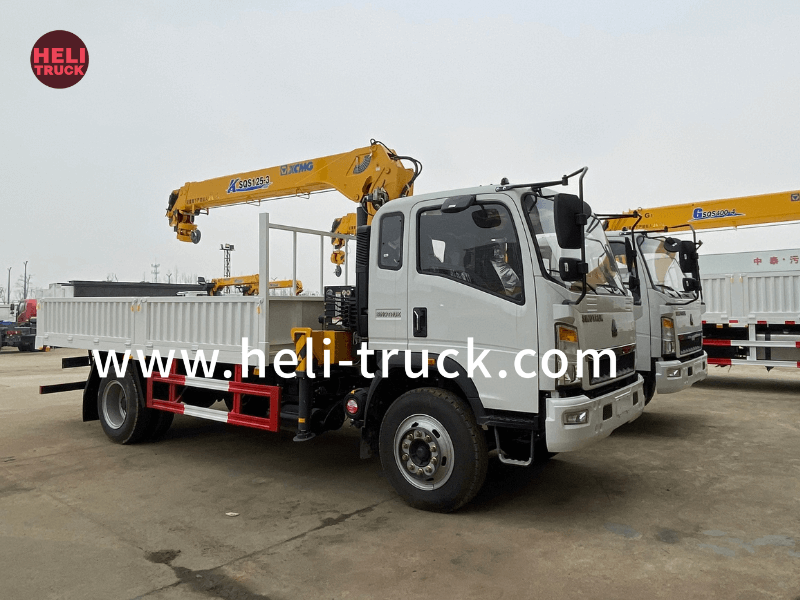
b. Best work trucks for construction jobs and Underserved Areas: Many communities in remote and underserved regions lack access to piped water systems. Water tank truck water storage facilities bridge this gap by delivering water directly to these areas, providing a lifeline for residents who would otherwise struggle to meet their water requirements.
c. Construction and Industrial Sites: Water tank truck water storage facilities are also utilized in construction and industrial sites where a temporary water supply is needed. These facilities ensure a steady water source for construction activities, dust suppression, and various industrial processes.
d. Events and Gatherings: Large-scale events, such as festivals, concerts, or sporting events, often require a significant amount of water for various purposes. Water tank truck water storage facilities can be deployed to meet the increased demand for water during such events, ensuring a smooth and uninterrupted water supply.
3. Challenges and Considerations:
While water tank truck water storage facilities offer numerous benefits, there are several challenges and considerations associated with their usage:
a. Water Quality: Ensuring the water quality during transportation and storage is crucial. Proper filtration, disinfection, and regular maintenance of the tanks are essential to prevent contamination and maintain water safety standards.
b. Infrastructure and Access: In remote areas with limited infrastructure, accessing water sources for refilling the tanks can be a challenge. Adequate road networks and water sources must be available to ensure the efficient operation of water tank truck water storage facilities.
c. Cost and Sustainability: Operating and maintaining water tank truck water storage facilities can be expensive, especially in the long term. Factors such as fuel costs, maintenance, and staff salaries need to be considered to ensure the sustainability of these facilities.
d. Environmental Considerations: Water tank truck water storage facilities consume fuel for transportation, contributing to carbon emissions and environmental impact. Exploring alternative fuel sources or optimizing routes to reduce emissions should be considered to minimize the environmental footprint.
4. Case Studies:
a. Disaster Relief Efforts: Water tank truck water storage facilities played a crucial role in providing emergency water supply during natural disasters such as hurricanes, earthquakes, and floods. They have been instrumental in delivering clean water to affected communities, preventing the spread of waterborne diseases and ensuring the well-being of disaster victims.
b. Rural Water Supply: In rural areas with limited access to piped water systems, water tank truck water storage facilities have been deployed to deliver water directly to households. These facilities have significantly improved water accessibility and reduced the burden on communities to fetch water from distant sources.
c. Construction Projects: Large-scale construction projects often require a temporary water supply. Water tank truck water storage facilities have been utilized to meet the water demands of construction sites, ensuring the smooth progress of projects by providing a reliable water source.
5. Future Developments and Innovations:
To overcome the challenges associated with water tank truck water storage facilities, ongoing research and development efforts are focused on improving efficiency, sustainability, and water quality. Some potential future developments include:
a. Advanced Filtration and Treatment Systems: Incorporating advanced filtration and treatment systems within the water tank truck units can enhance water quality and reduce the reliance on external treatment facilities.
b. Renewable Energy Integration: Exploring the use of renewable energy sources, such as solar power, for operating water tank truck water storage facilities can significantly reduce their environmental impact and operational costs.
c. Smart Monitoring and Management Systems: Implementing smart monitoring and management systems can improve the efficiency and reliability of water tank truck water storage facilities. Real-time monitoring of water levels, quality, and vehicle performance can enable proactive maintenance and optimize water delivery routes.
Conclusion:
Water tank truck water storage facilities play a vital role in providing reliable and sustainable water supply in areas that lack access to traditional piped water systems. These facilities have proven their effectiveness in emergency response, serving remote communities, supporting construction projects, and meeting water demands during events. However, challenges related to water quality, infrastructure, cost, and environmental impact need to be addressed for long-term sustainability. With ongoing developments and innovations, water tank truck water storage facilities will continue to evolve, ensuring access to clean and safe water for communities around the world.